The presence of oils, greases, and hydrocarbons on the surface of water or industrial fluids is a common and serious problem in various industries, particularly refineries, power plants, the petroleum and petrochemical industries, and industrial wastewater treatment . These deposits not only degrade the quality of the fluid but also impair the performance of equipment and pumps, causing environmental problems.
Oil separators are an effective solution for collecting and removing floating oil from fuel tanks and storage vessels. Their use allows for direct control of floating oil, especially in confined spaces or enclosed tanks. This article provides a comprehensive overview of oil separators, including performance, types, benefits, and installation recommendations.
What is an oil separator?
An oil separator is a device for separating oil and grease from water or other liquids . The device operates mechanically using flotation, centrifugation, or a belt drive. It collects the oil floating on the liquid’s surface and directs it into a separate storage tank.
The primary purpose of an oil separator is to reduce contaminants, improve system performance, and prevent subsequent equipment damage . In industrial applications, oil separators can remove large amounts of floating oil without interrupting the main fluid flow.
Fuel tank oil removal function
Tank skimmers are typically installed floating or mechanically in the tank. Their operation involves the following steps:
-
Oil flotation
-
Because oil and fat have a lower density than water, they tend to float on the surface of the liquid.
-
-
Absorb or collect oil from surfaces
-
Oil separators use belts, rotating plates, suction tubes or special sponges to collect oil from the surface.
-
-
Transfer to a collection container
-
The collected oil is drained into a separate tank and removed from the system after cleaning or processing.
-
-
Pour the clean liquid back into the tank.
-
The water or oil-free liquid flows back into the main tank and the cycle continues.

-
Types of oil separators in tanks
Depending on the oil collection method and internal structure, oil separators are mainly divided into the following categories:
1. Tape scraper
-
Spezielle Bänder oder Streifen bewegen sich entlang der Tankoberfläche und sammeln Öl.
-
Das Öl wird vom Band angesaugt und durch Klingen oder Trommeln in einen separaten Tank geleitet.
-
Geeignet für große Tanks mit geringem Durchfluss oder Schweröl .
2. Scheibenskimmer
-
Es kommen mehrere rotierende Platten zum Einsatz, die mit ölabsorbierendem Material beschichtet sind.
-
Das Öl wird in einem Teller gesammelt und dann in eine separate Schüssel gegossen.
-
Geeignet für leichte und mittlere Öltanks .
3. Rohr- oder Seilölskimmer
-
Zur Reinigung der Öloberfläche wird ein spezielles Ölsaugseil bzw. eine Ölsaugleitung verwendet.
-
Die Ölsammlung und -ableitung erfolgt kontinuierlich.
-
Geeignet für begrenzte Platzverhältnisse und kleine Schränke .
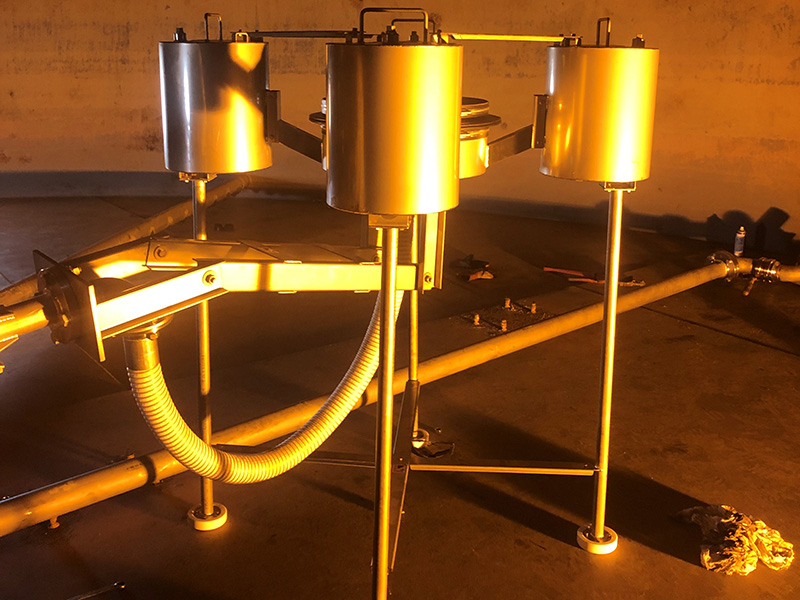
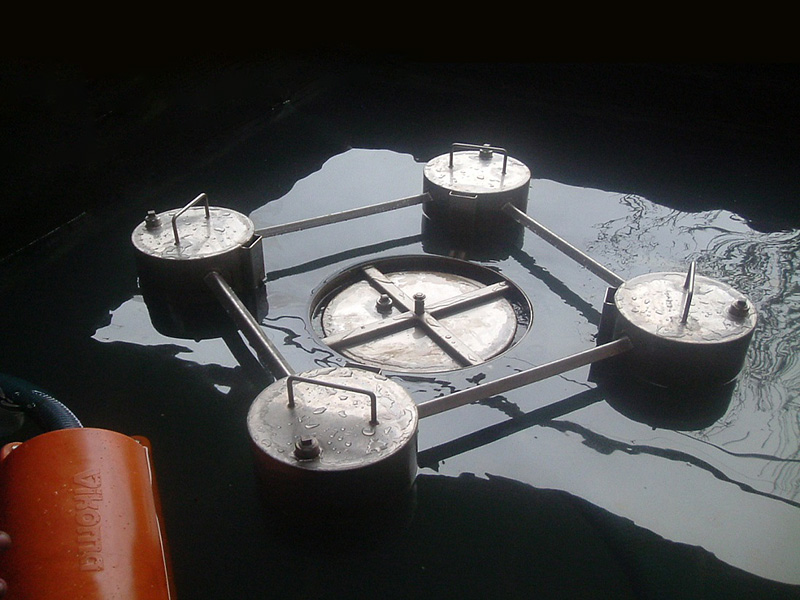
4. Schwimmender Ölskimmer
-
Das Schwimmersystem befindet sich auf der Oberfläche des Tanks und sammelt Öl aufgrund der natürlichen Bewegung der Flüssigkeit oder des Motors.
-
Geeignet für geschlossene und offene Tanks mit unterschiedlichem Flüssigkeitsstand .
Vorteile eines Abschäumers im Tank
Die Verwendung eines Ölabscheiders in einem Kraftstofftank hat mehrere Vorteile:
-
Entfernt effektiv oberflächliches Fett.
-
Reduziert Verunreinigungen und verbessert die Qualität der Flüssigkeit im Tank.
-
-
Schutz der Ausrüstung im Flussbett
-
Verhindert Ölansammlungen in Pumpen, Filtern und anderen Geräten.
-
-
Senkung der Behandlungs- und Pflegekosten
-
Reduziert den Bedarf an anschließender chemischer oder mechanischer Behandlung.
-
-
Kontinuierliche automatische Wiedergabe
-
Kontinuierliche Ernte ohne menschliches Eingreifen.
-
-
Es kann in geschlossenen oder versiegelten Tanks installiert werden.
-
Verwenden Sie Ölabscheider für enge Räume und raue Industrieumgebungen.
-
-
Ölproduktion
-
Das gesammelte Öl kann gereinigt und wiederverwendet werden, wodurch Kosten und Umweltverschmutzung reduziert werden.
-
Tipps zur Installation und Konfiguration
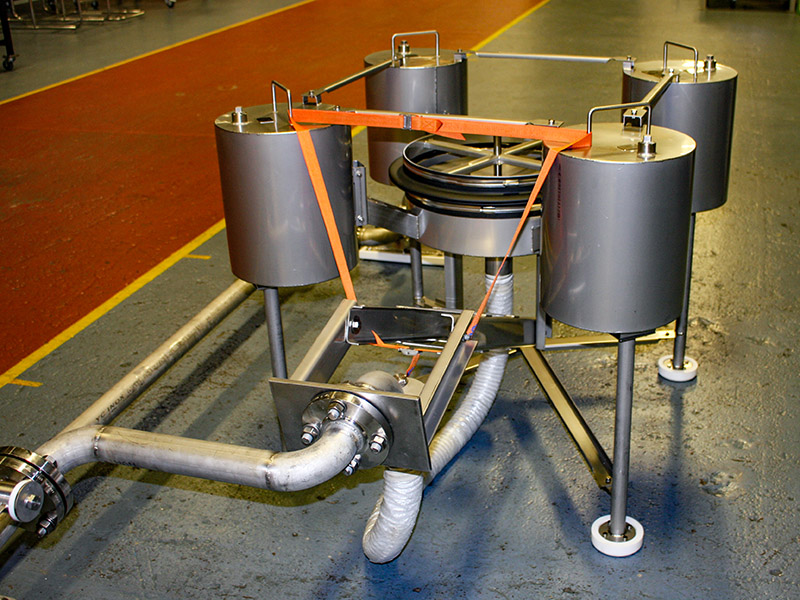
Um eine optimale Leistung des Kraftstofftank- Ölabscheiders zu erzielen, sollten die folgenden Punkte beachtet werden:
-
So wählen Sie den richtigen Ölabscheider
-
Dies hängt von der Ölsorte, dem Tankvolumen, der Flüssigkeitsdurchflussrate und dem verfügbaren Platz ab .
-
-
Die richtige Einbauhöhe
-
Für maximale Effizienz muss der Verteilerabschnitt genau auf Ölniveau positioniert werden.
-
-
Kontakt zum Sammelbehälter
-
Geeignete Rohre oder Kanäle zum Leiten des Öls zu den einzelnen Tanks.
-
-
Öl- und Flüssigkeitsstandskontrolle
-
Um einen kontinuierlichen Betrieb zu gewährleisten, verwenden Sie einen Schwimmer oder Sensor.
-
-
Regelmäßige Wartung
-
Reinigung von saugfähigen Streifen, Platten oder Seilen
-
Check the function of the engine and cylinders.
-
Replace consumables according to the manufacturer’s instructions.
-
Use of oil separators in tanks
Oil separators for tanks have many applications:
-
Refineries and petroleum industry: Removal of oil and hydrocarbons from storage and processing tanks.
-
Petrochemical industry: Collection of floating chemicals and oil from reaction tanks.
-
Power plants and energy industry: Removal of oil products from water in cooling towers and heating system tanks.
-
Industrial wastewater treatment: Reduction of oils and fats before they enter the treatment system.
-
Workshops and factories in the metallurgical industry: collection of lubricating and cooling oils in cooling baths.
Finally
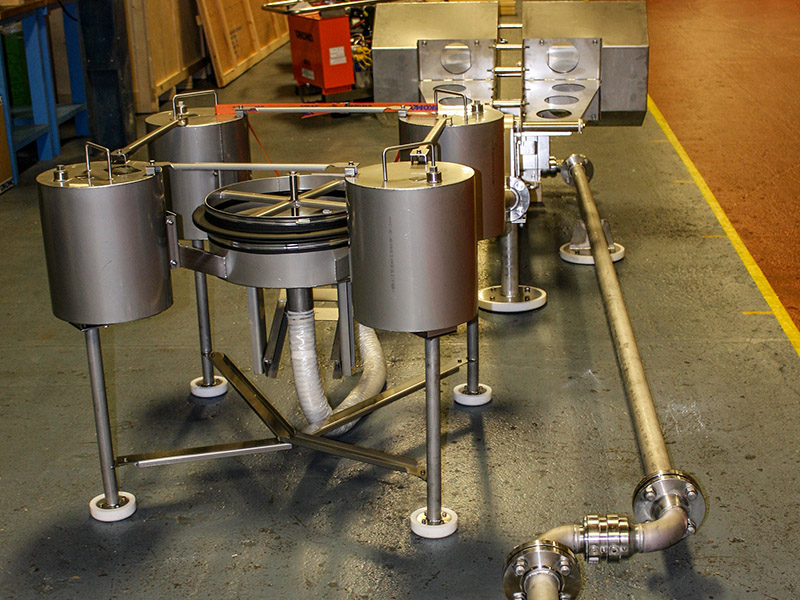
Tank skimmers are a practical and effective solution for collecting oils, greases, and hydrocarbons from industrial fuel tanks and storage vessels. Proper skimmer selection, installation, and maintenance improves fluid quality, protects equipment, and reduces operating costs.
These systems enable all industries to benefit from continuous operation, reduced pollution, and oil recovery . Installing an in-tank skimmer, especially in closed tanks, is an ideal solution for maintaining productivity and workplace safety.