An oil separator is a device used to separate oils, fats, and other hydrocarbons from water or other liquids. These devices are widely used in industries such as petrochemicals, steel, food processing, and pharmaceuticals, as well as in wastewater treatment plants. Given the importance of environmental protection and compliance with industry standards, quality control of oil separators is a crucial aspect of their design, production, and maintenance.
In this article, we analyze the importance of quality control in pig farming , the testing and inspection methods , the relevant standards , and the key points in the selection and maintenance of equipment.
Chapter 1: The Importance of Quality Control of Oil Separators
1-1. Impact on system performance
The quality of an oil separator’s design and construction directly impacts its efficiency. Poorly designed systems cannot guarantee complete oil separation, which can lead to wastewater pollution and environmental problems.
1-2. Reduction of maintenance costs.
High-quality equipment is characterized by a longer lifespan and lower maintenance requirements. Furthermore, rigorous quality control throughout the entire production process reduces downtime and improves production efficiency.
1-3. Compliance with environmental standards
Many industries are subject to strict wastewater treatment regulations. The use of high-quality separation systems helps to ensure compliance with environmental standards and avoid penalties.
1-4. Increase productivity in all sectors
In industries such as steel and petrochemicals, oil in water can impair the quality of the final product. High-quality oil separators ensure efficient oil removal and thus optimize production processes.
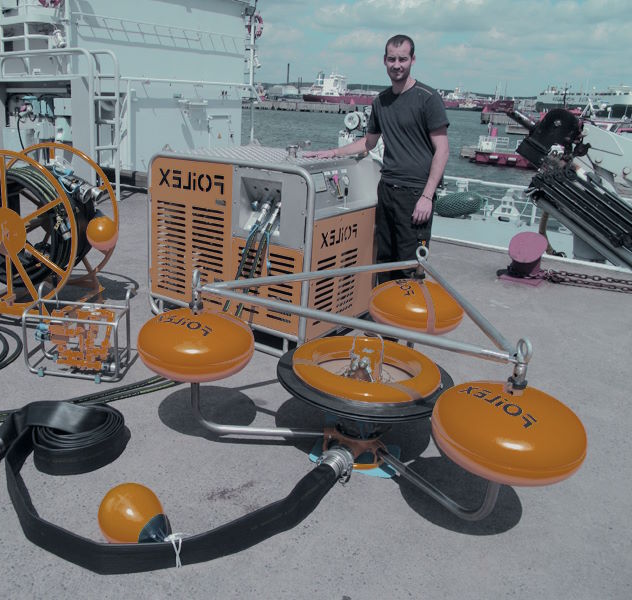 Chapter Two: Quality Control Methods for Oil Separation
2-1. Raw material inspection
The materials used in the manufacture of oil-water separators (such as belts, discs, and cylinders) must be oil-resistant, wear-resistant, and resistant to stress. Raw material testing includes the following:
-
Chemical analysis (to confirm the composition of metals and polymers)
-
Mechanical strength tests (tensile, compression and bending tests)
-
Chemical resistance testing (to oils, solvents and chemicals)
2-2. Performance tests
After manufacturing, the device must undergo practical testing to confirm its functionality. These tests include:
-
Oil and water separation efficiency (plant efficiency expressed as a percentage)
-
Processing capacity (amount of separated oil per hour)
-
Energy consumption (verification of the optimal use of electricity or air in an aerodynamic model)
2-3. Durability and lifetime tests
The crusher must function under harsh industrial conditions. Durability tests include the following:
-
Continuous endurance testing (long-term operation of the equipment)
-
Conduct tests at different temperatures (to ensure performance under high and low temperature conditions).
-
Corrosion resistance tests (especially in acidic or alkaline environments)
2-4. Final inspection before delivery
Before the devices are shipped to the customer, a final inspection is carried out, which includes the following:
-
The ingredients are well sealed.
-
Normal operation of the engine and mechanical system
-
There are no visible defects (welds, paintwork, connections).
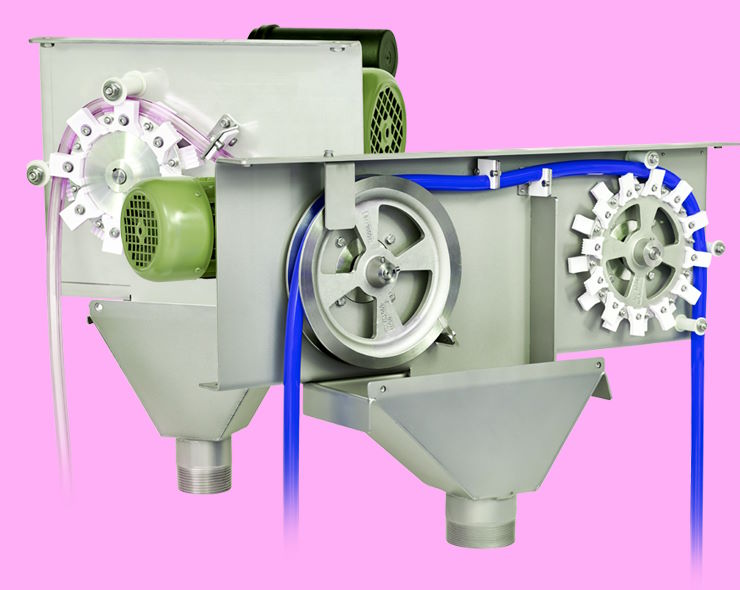 Chapter Three: Standards for Oil Separators
To ensure the quality of oil separators, several international and national standards have been established, the most important of which are the following:
3-1. International Standards
-
ISO 9001 (Quality Management System)
-
ISO 14001 ( Environmental Management )
-
API 421 (oil separator standard)
3-2. American Standard
-
ASTM D3921 (Test method for the performance evaluation of oil separators)
-
OSHA Standards (Safety Compliance in Planning and Construction)
3-3. European Standards
-
EN 858 (standard for oil-water separation)
-
CE marking (certification for safety and quality for the European market)
3-4. National standards (Iran)
-
Iranian National Standards for Water and Wastewater Treatment Plants (ISIRI)
-
Regulations of the environmental organization regarding the discharge of industrial wastewater
Chapter Four: Important points for selecting and maintaining an oil separator
4-1. Select a suitable oil separator.
-
Types of oil (light oil, heavy oil, emulsion)
-
Water consumption (the amount of water that enters the appliance)
-
Environmental conditions (temperature, presence of chemicals)
-
Component materials (stainless steel, polyurethane, polytetrafluoroethylene)
4-2. Regular maintenance and repair
-
Clean the belt or pulley regularly .
-
Check the level of the collected oil and drain it immediately.
-
Mechanical and electrical systems should be checked every 6 months .
4.3 Troubleshooting and solving common problems
-
Reduced separation performance (due to belt wear or motor failure).
-
Oil leak (cause: defective seal or defective connection)
-
Unusual noises (cause: insufficient lubrication of the bearings)
In conclusion
Quality control of oil separators not only directly impacts system performance but also plays a crucial role in reducing operating costs and complying with environmental regulations. Selecting standard systems, conducting regular inspections, and performing proper maintenance extend the service life of the systems and improve overall system efficiency.
The various sectors must select the optimal solution based on their specific needs and understand the quality control standards and testing methods in order to achieve the best economic and environmental results.
Ultimately, purchasing products from reputable, internationally certified manufacturers is the best way to ensure the quality of oil separators.
✅If you require technical advice or pricing information, please contact our specialists.
📞Phone number : 09126963393
🌐Website : https://oilskimmer.ir/