The number of accidental oil spills is increasing, and at the same time, various industrial processes generate oily wastewater that exceeds discharge limits, both of which pose a threat to our environment. In some industrial applications, the oil is recycled for reuse. In any case, oil skimmers are used to extract oil from liquids.
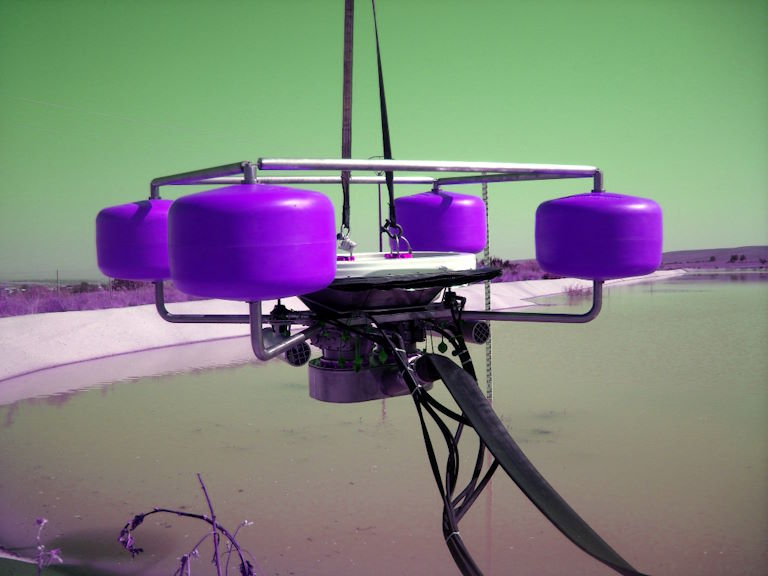
Oil skimmers are reliable, cost-effective, and efficient tools for removing oil, grease, hydrocarbons, and coolants from water. They are ideal for use in spills and prior to treatments such as membrane filtration, chemical processes, and the like. The oil skimmer can be fixed or floating. Fixed oil skimmers are installed in a predetermined location, while a floating oil skimmer floats on the water surface during oil extraction. Floating oil skimmers are said to be the most effective for oil recovery.
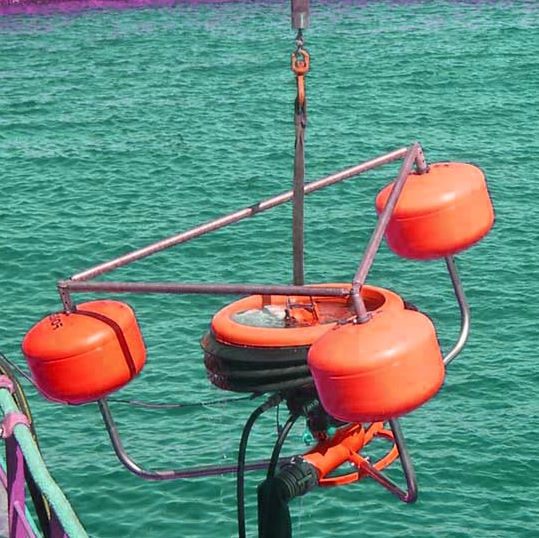
How
To understand how oil skimmers work, we first need to understand that all oil skimmers, regardless of whether they are float-mounted, are based on three operating principles:
Specific gravity – Oil particles have a lower specific gravity than water. This lower specific gravity allows the oil particles to float on the water’s surface.
Adhesion – Due to the adhesive property, oil particles attract each other, allowing the formation of large oil droplets. This property ensures that the oil does not disperse into another liquid.
Adhesion – helps floating oil adhere to a specific surface/substance. A substance that absorbs oil is called an oleophilic substance. These values increase the efficiency of oil removal.
With the exception of suction and overflow oil skimmers, the operation of all oil skimmers— belt oil skimmers , drum skimmers, pipe skimmers, and brush skimmers—is more or less the same. The oil floating on the water surface adheres to the surface of the skimmer. The oil is removed from the surface using a scraper/snow remover or pressure rollers. The oil sucked from the surface is collected in the oil collection tank.
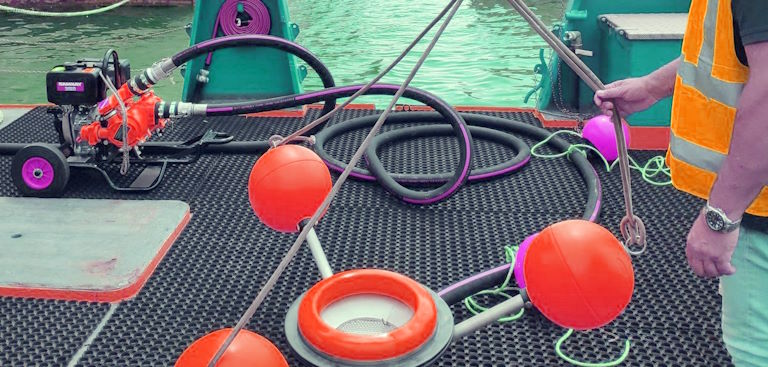
Floating overflow oil skimmers consist of floats and a central inlet overflow. The top layer of oil is drawn into the central oil sump/overflow and pumped out via the oil transfer hose. The height of the inlet overflow is self-regulating, allowing the oil skimmer to effectively remove oil films.
The floating overflow oil skimmer has proven to be more efficient due to these features, including:
• Lightweight and compact
• Easy work, easy operation
• 360° skimming
• Fast and efficient removal of thin or thick layers of oil or pollutants
• Only one moving part. For example, the overflow hinge
• No manual adjustment required
• Works with any suction pump
• Self-adaptation to the pump flow
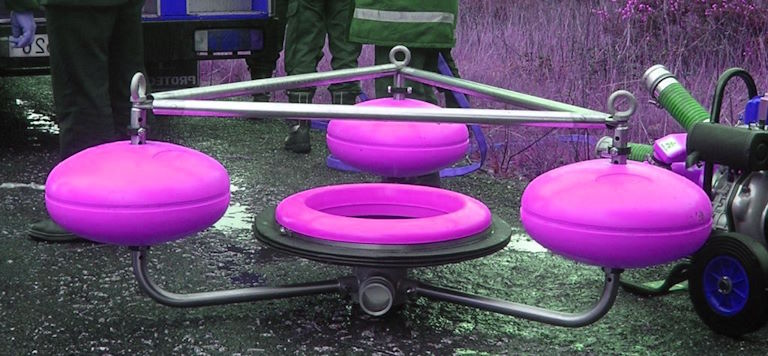
Accessories such as a dirt strainer to prevent clogging of the squeegee, removable floats for easier storage, guide rails to secure the squeegee in place, and a telescopic handle to make it easier to reach hard-to-reach areas cause the float to overflow. The versatile oil skimmer, together with the skimmer, prevents water from accumulating in the storage tank. The oil and water in the extracted oil are further separated in the decanter by recirculating the water back into the skimming zone. Decanters are especially useful when an oil skimmer has been in operation for some time and is lacking some oil.
Compared to fixed oil skimmers, the floating oil skimmers method is more efficient. The key productivity factors are:
1. Floating oil skimmers can be directed towards the oil spill site, allowing them to cover a large spill area.
2. It requires less time. The floating overflow oil skimmer drains the oil from all sides, significantly reducing skimmer time.
3. The movement of the floating oil skimmer increases the adhesion of the oil to the surface of the skimmer, resulting in improved efficiency.
4. They are easy to handle and can be used by one person
5. Floating oil skimmers are lightweight and therefore easy to transport
6. They can be used on any water surface: rivers, lakes, reservoirs, or oceans.
7. Additions such as decanter, sieve, guide rails and telescopic handle further improve operational efficiency.
8. Floating oil skimmers are used in wastewater treatment tanks and various industrial applications for coolant recovery.
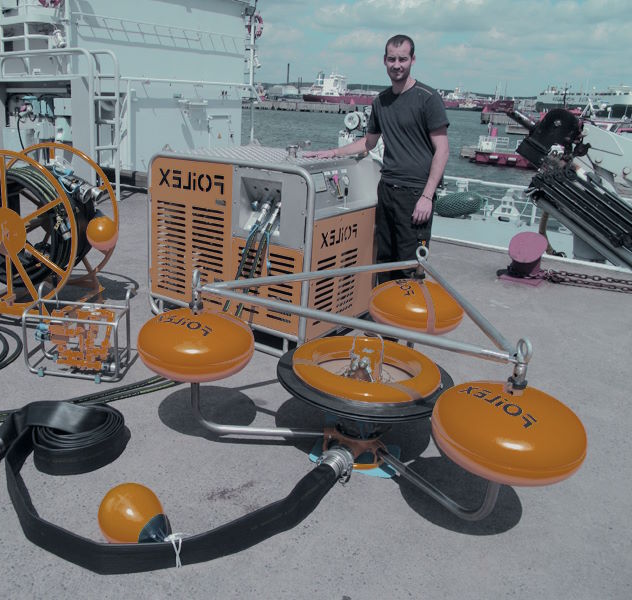
Floating oil skimmers with weirs are robust and versatile.
They effectively recover a wide range of oils, coolants, and hydrocarbons at all water levels. They are environmentally friendly because they do not use chemicals to extract the oil. A floating spill oil skimmer is capable of removing oil at high speeds. To effectively recover oil from water, you can choose from a variety of floating oil skimmers. Depending on the type of water body and the type of oil being recovered, the most suitable floating oil skimmer can be used for oil recovery. When responding to an oil spill, a floating oil skimmer is ideal for damage control.

Frequently Asked Questions
Q.1 Why are oil-water separators important in industrial environments?
A. Oil-water separators play an important role in industrial environments, ensuring compliance with environmental regulations and protecting our natural resources. These innovative devices are designed to effectively separate oil and other hydrocarbons from wastewater, prevent pollution, and promote sustainable practices.

Q.2 How effective are oil spill response equipment in containing and recovering spilled oil?
A. Oil spill response equipment plays a critical role in the containment and recovery of spilled oil. These tools are designed to respond quickly to a spill and mitigate its impact on marine ecosystems. From canvases and squeegees to absorbents and spreaders, many different types of equipment are available to assist in the cleanup process.
Q.3 What are the main purposes of using a needle gate?
A. Floodgates play an important role in controlling water flow and water level in various environments. These versatile hydraulic structures have been used for centuries to regulate water movement in canals, rivers, reservoirs, and other bodies of water. By understanding the primary purposes of gate valves, we can appreciate their importance in maintaining efficient water management systems.