Oil pollution is one of the greatest threats to the marine environment, soil, and water resources. With the expansion of industry and oil production, oil leaks and spills have become a serious global problem. Oil pollution not only harms marine and terrestrial ecosystems but also human and animal health. This article provides an overview of the types, sources, and environmental impacts of oil pollution.
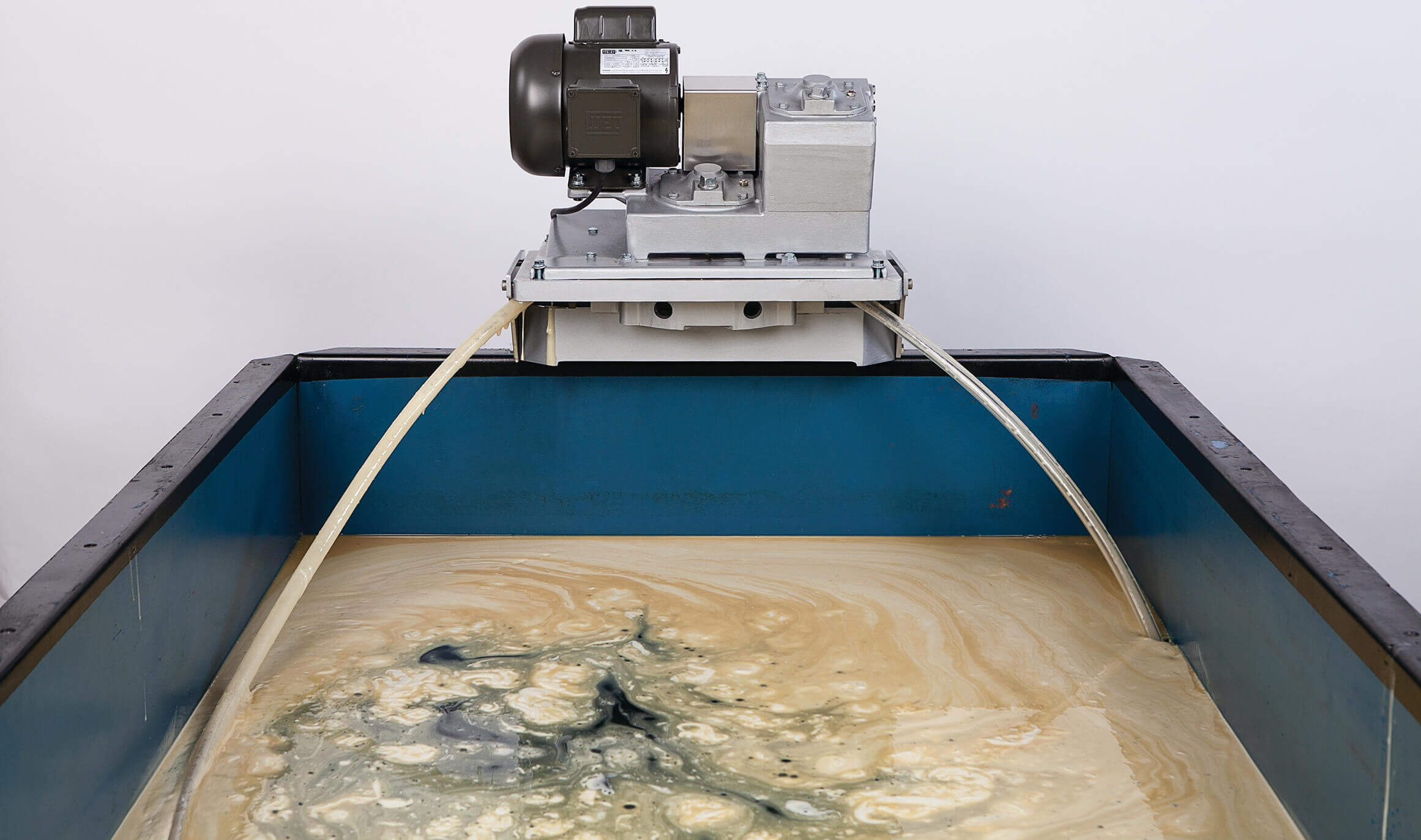
Portable oil separator with belt from Abanaki Lil Blue
Definition of oil pollution
Oil pollution occurs when petroleum products enter the environment, disrupting natural cycles, poisoning organisms, and destroying habitats. Crude oil and its derivatives are complex organic compounds containing hydrocarbons, sulfur, nitrogen, and heavy metals. Due to their lipophilic nature, these compounds are easily absorbed by living organisms and can have long-term impacts on ecosystems.
Sources of oil pollution
The causes of oil pollution are diverse and can be divided into two main categories : natural pollution and man-made pollution:
-
Natural pollution:
In some areas, oil seeps naturally from the subsurface into surface waters or the soil. These spills are generally limited and localized and less severe than spills caused by human activities. -
Oil pollution:
Most oil pollution is caused by human activities. The main sources are:-
Oil tanker accidents: Oil tanker accidents and oil spills at sea cause widespread environmental pollution.
-
Oil wells and mining: Leaks from oil wells and pipelines can pollute water and soil.
-
Oil refineries and petrochemical industries: Oil wastewater and waste from these industries are a major source of environmental pollution.
-
Fuel transport and supply: Release of fossil fuels, oils and lubricants into the environment.
-
Municipal and industrial waste: Discharge of petroleum products into water bodies and streams.
-
Types of oil pollution
Depending on their nature and form, oil spills can be divided into the following types:
-
Surface water pollution:
This type of pollution is primarily caused by oil spills in oceans and rivers. Oil floats on the water’s surface and forms an insulating layer that prevents gas exchange between water and air. This reduces the dissolved oxygen content in the water and poses a threat to aquatic life. -
Groundwater contamination and seepage:
When oil seeps into the ground, it can enter the groundwater. This type of contamination is extremely dangerous because cleanup is difficult and expensive. Water contaminated with oil becomes undrinkable, and its industrial use is limited. -
Soil pollution:
Oil and petroleum products that enter the soil can reduce its fertility and kill beneficial microorganisms . Petroleum compounds in the soil can also affect bacteria and plants and disrupt the food chain. -
Air pollution:
Hydrocarbon vapors and emissions from petroleum and petroleum derivatives contribute to air pollution. These gases, including volatile organic compounds (VOCs), are harmful to human and plant health. Air pollution also contributes to acid rain and climate change. -
Mixed or widespread pollution:
Sometimes an oil spill can contaminate air, soil, and water simultaneously . For example, a tanker accident or refinery explosion can result in widespread oil pollution with long-term consequences.
Environmental consequences of oil pollution
Oil pollution has many consequences, including:
-
Impact on marine life: Oil adheres to the feathers and skin of birds and fish , impairing their breathing and swimming. Many species have died from poisoning.
-
Disruption of the food chain: Oily compounds are absorbed by algae and plankton and passed through the food chain to fish and birds.
-
Human health risks: Consumption of oil-contaminated water and seafood can lead to food poisoning and chronic diseases.
-
Habitat destruction: Wetlands, beaches, and marshes have been severely damaged by the oil and will take years to recover.
-
Economic impact: Fishing, tourism, and environmentally dependent industries were affected by the oil spill and suffered economic losses.
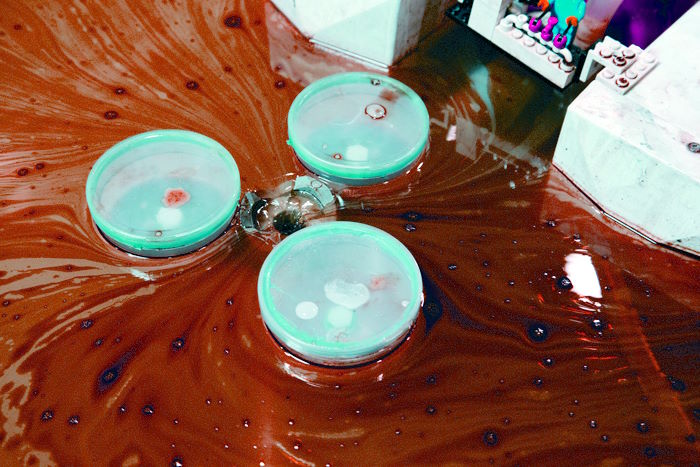
Oil separator with ocean monitoring function
Methods for controlling and remediating oil spills
Depending on the type and extent of the pollution, there are several options for cleaning up oil spills:
-
Mechanical collection: The oil floating on the water surface is collected using fishing nets, boats, special equipment, etc.
-
Absorbent purpose: Materials that absorb and collect oil from water and soil surfaces.
-
Chemical method: Use of dispersants and oil destroyers to destroy and reduce oil concentration.
-
Biological methods: These methods use microorganisms and bacteria to degrade hydrocarbons. This method is one of the most sustainable and environmentally friendly.
-
Prevention: Strict regulations, pipeline leak monitoring, employee training, and safety equipment are the best solutions for preventing oil pollution.
Finally
Oil pollution is one of the most serious environmental problems of our time and requires special attention and preventive measures. Understanding the causes and types of oil pollution, analyzing its consequences, and implementing effective cleanup methods are crucial to mitigating the negative impacts on the environment and health. Protecting ecosystems and ensuring the sustainable management of oil resources can only be achieved through global cooperation and compliance with environmental standards.