When working on CNC machines, the use of coolants and lubricants (also known as “soapy” or coolants) plays a crucial role in extending tool life and improving cut quality. These fluids cool the tool and workpiece, reduce friction, and prevent surface burning.
However, the main problem with long-term use of soap and water is the contamination of the reservoir with foreign oils (waste oils), such as hydraulic oil or grease, which enter the reservoir through leaks in the machine. The accumulation of these contaminants can reduce the effectiveness of the fluid, cause bacterial growth and unpleasant odors, and even damage machine parts.
An effective way to solve this problem is to use an oil separator , a device that continuously removes floating oil from the surface of the coolant.
What is an oil separator?
An oil separator is a mechanical device that separates light, floating oil from the surface of a liquid (such as water or soap) in a CNC machine’s oil tank. The device uses various mechanisms (belts, discs, tubes, or cylinders) to collect the surface oil and transport it to a separate tank.
This helps keep the coolant clean and improves the performance and life of the tool.
Importance of using oil separators in CNC
-
Extend the life of soap and water: Removing oil residue prevents the liquid from spoiling quickly.
-
Prevents unpleasant odors and bacterial growth: Grease accumulation creates a favorable environment for the growth of microorganisms.
-
Improved build quality: Cleaner fluids provide better lubrication and a smoother surface.
-
Reduce costs: Reduce the frequency of water and soap changes and the use of antibacterial chemicals.
-
Protecting workers’ health: preventing workers’ exposure to contaminated liquids and unpleasant odors.
Types of oil separators
Oil separators are available in different designs for different applications:
1. Tape scraper
-
The most commonly used model in CNC machines.
-
Polymer or metal strips are used to absorb oil from the surface, which are then absorbed by the blade.
-
Advantages: High efficiency, easy maintenance, suitable for small and medium-sized tanks.
2. Disc skimmer
-
It is a rotating disc that collects oil on the surface.
-
Features: Suitable for limited spaces, easy to use and cost-effective.
-
Limitations: Lower capacity than tape models.
3. Tube skimmer
-
Use flexible hoses to collect the oil.
-
Features: Suitable for tanks with non-standard shapes.
4. Drum skimmer
-
A rotating drum is used to collect the oil.
-
Mainly used in large industries.
Mini-Skimmer-112624 User Manual

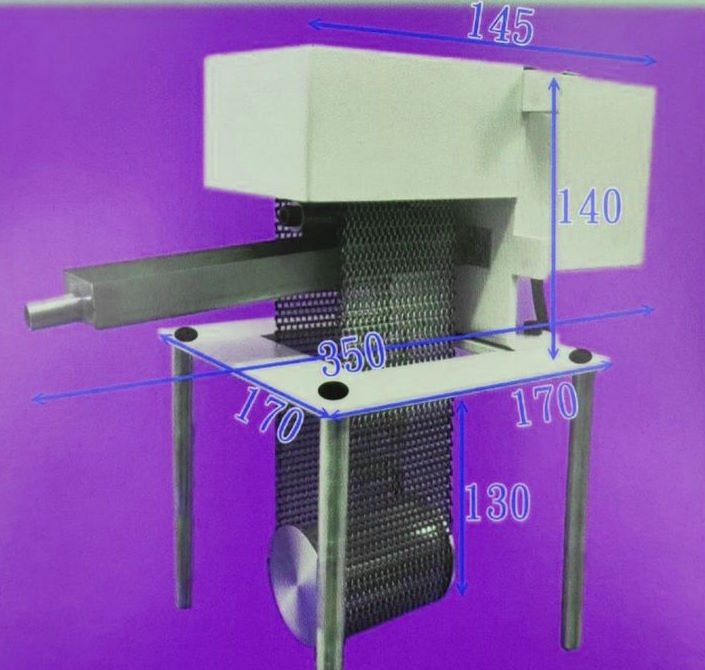

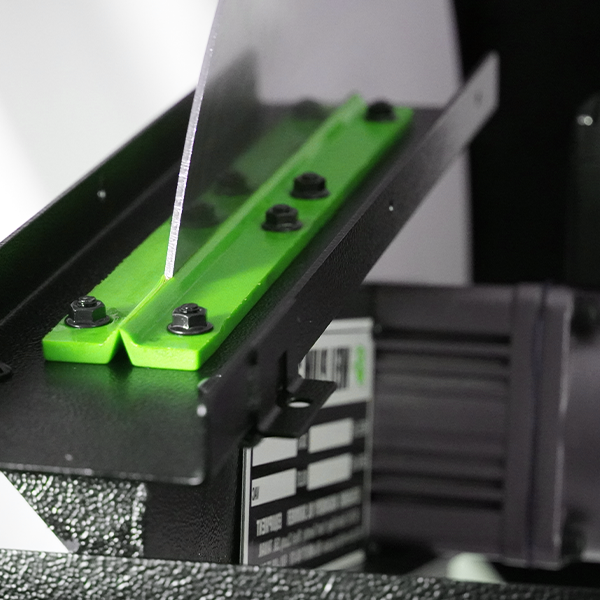
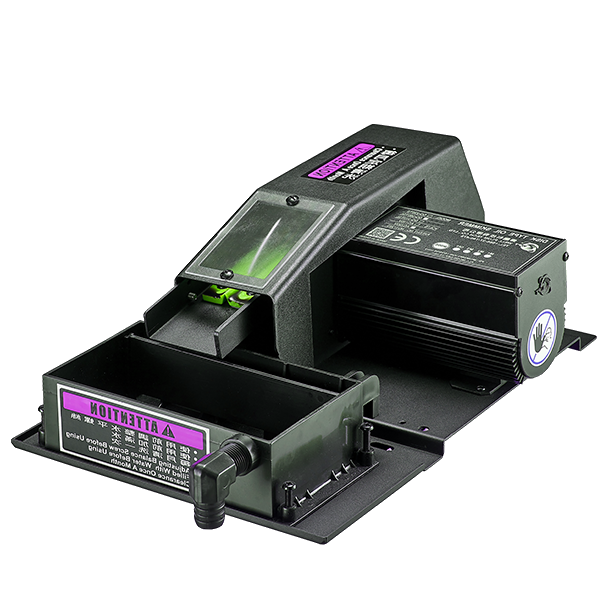
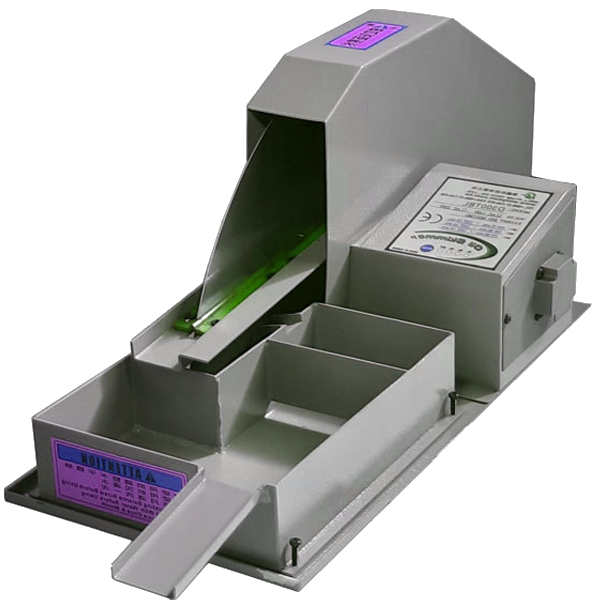
The functional principle of a belt oil separator on CNC machines
-
A slippery streak falls onto the surface of the liquid.
-
Light oils stick to the tape due to surface tension.
-
The rod moves upwards and over a blade made of metal or plastic.
-
The blades separate the trapped oil and direct it into a collection tank.
-
Place a clean test strip back into the liquid and repeat the cycle.
Benefits of using an oil separator in a CNC workshop
-
Cost savings: Reduces the consumption of soap and additives.
-
Higher production efficiency: less downtime due to frequent fluid changes
-
Longer cutting tool life: Cleaner cutting fluid reduces tool wear.
-
Environmental safety: The generation of environmentally harmful liquid waste is reduced.
-
Easy installation and configuration: Many models can be installed in existing cabinets.
Important points when choosing the right CNC oil separator
-
Tank capacity and size: Belt models are better suited for deep tanks.
-
Excessive oil loss: If the oil loss is large, you should choose a model with larger capacity.
-
Tape or CD material: It is desirable that it is resistant to the chemicals contained in soap and water.
-
Picking speed and efficiency: Choose based on store size and equipment uptime.
-
Allows accumulated oil to drain away easily.
Maintenance and service of oil separators
-
Clean tapes and discs regularly.
-
Check the combine harvester blade for wear.
-
Make sure the engine and transmission are running.
-
Check electrical and mechanical connections.
-
Empty the combined oil tank regularly.
Problems and limitations
-
Excessive foam or dirt buildup will reduce the scrubber’s efficiency.
-
Heavy emulsified oils are difficult to separate.
-
Regular cleaning is required to maintain performance.
The future of oil separators in CNC machines
Thanks to technological developments, the new generation of oil separators has the following features:
-
Intelligent oil level monitoring system
-
More wear-resistant belts and discs
-
Low energy consumption
-
Compact CNC design, smaller and more efficient
These innovations have led to greater efficiency and lower maintenance costs.
Finally
The CNC soap and water separator is a must-have for any production facility. By separating floating oil, the device extends the life of the coolant, improves production quality, reduces costs, and ensures greater workplace cleanliness.
Using the right oil separator will not only increase your workshop’s productivity, but will also help you comply with environmental regulations and reduce industrial waste.