Oil pollution is a serious environmental problem with numerous negative impacts on nature and various ecosystems. This type of pollution destroys habitats and harms animals and plants through the release of oil and petroleum products into waterways and land. In this article, we discuss the dangers of oil pollution, its environmental impacts, its ecological consequences, and solutions.
Definition of oil pollution
What is oil pollution?
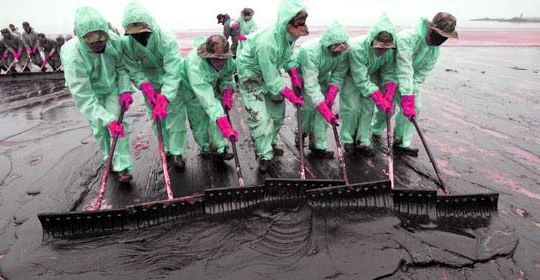
Oil pollution is the release of oil and petroleum products into waterways and onto land. This type of pollution can result from the release of crude oil, industrial oils, motor oils, and fossil fuels. Due to its unique properties, such as its high adhesion and ability to form impermeable layers, oil pollution has numerous negative impacts on the environment.
Sources of oil pollution
There are various sources of oil pollution that cause direct or indirect environmental damage. These sources include:
- Crude oil leaks from oil wells and pipelines
- Oil pollution from tankers and ships
- Industrial and engine oil leaks in factories and workshops
- Leakage of fossil fuels from vehicles and devices
- Oil pollution in seas and oceans
The effects of oil pollution on the environment
Impact on aquatic life
Oil pollution has serious negative impacts on aquatic life. Oil and petroleum products spread rapidly across the water’s surface, forming an impermeable layer. This prevents oxygen from reaching the water, leading to oxygen deprivation in aquatic organisms. Furthermore, oils can adhere to the skin and feathers of waterfowl and marine mammals, impairing their movement and feeding.
Specific effects on aquatic organisms
- Fish : Low oxygen levels in water and poisoning from contact with petroleum products.
- Waterfowl : Oil sticks to feathers and reduces flight ability and body insulation.
- Marine mammals : oil adhesion to the skin and poisoning from contact with petroleum products
- Aquatic plants : less sunlight and altered photosynthesis
Effects on soil and plants
Oil pollution has numerous negative impacts on soil and plants. Due to their high viscosity, oils can penetrate the soil and alter its structure. These changes reduce the soil’s ability to retain water and nutrients and hinder plant growth. Furthermore, oils can adhere to plant roots and impair nutrient uptake.
Specific effects on soil and plants
- Soil : Changes the structure of the soil and reduces its ability to retain water and nutrients.
- Plants : Reduction in plant growth and development due to oil uptake and reduced nutrient uptake.
- Agricultural environment : decline in productivity and quality of agricultural products.
Impacts on climate and atmosphere
Oil pollution can have negative impacts on the air and atmosphere. The combustion of fossil fuels and oil releases various chemicals that can cause air pollution and respiratory diseases in humans and animals. Furthermore, these chemicals can contribute to ozone depletion and climate change.
Specific impacts on climate and atmosphere
- Air pollution : increasing concentrations of harmful particles and chemicals in the air.
- Respiratory problems : Increase in respiratory diseases in humans and animals.
- Climate change : increasing global warming and climate change due to greenhouse gas emissions.
Environmental consequences of oil pollution
Destruction of habitats
Oil pollution can destroy natural habitats. Oil spills in waterways and on land alter habitats and reduce biodiversity. These changes can lead to the extinction of plant and animal species and the decline of local populations.
Decline in biodiversity
Oil pollution reduces biodiversity in natural habitats. Oil pollution in habitats leads to the death of organisms and a decline in biodiversity. A decline in biodiversity can lead to ecosystem instability and an increased risk of species extinction.
Threat to human health
Oil pollution can pose a threat to human health. Direct contact with oils and petroleum products can cause skin and respiratory problems. Furthermore, consuming water and food contaminated with oil products can lead to severe poisoning.
Methods for removing oil spills
Protection
One of the best ways to combat oil pollution is prevention. Preventive measures include the use of clean and energy-efficient technologies, proper maintenance of oilfield equipment, and mitigating the release of oil and petroleum products.
cleaning
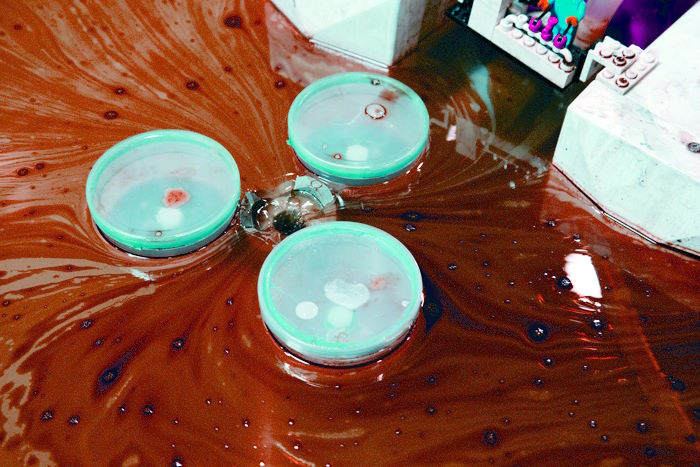
In the event of an oil spill, rapid and effective cleanup of the contaminated environment is crucial. These cleanup processes utilize mechanical, chemical, and biological devices to capture and decompose the oil.
Education and awareness
Raising public and industry awareness about the dangers of oil pollution, as well as prevention and response measures, is crucial to curbing this type of pollution. Seminars, training courses, and the provision of information through the media can help raise awareness.
Diploma
Oil pollution is one of the most serious environmental problems and has numerous negative impacts on nature and ecosystems. This type of pollution destroys habitats, reduces biodiversity, and endangers human health. By preventing oil pollution, quickly cleaning up contaminated areas, educating the public and industry, and raising awareness, we can help reduce this type of pollution and protect the environment.