Oil tankers form the backbone of the global oil trade. Crude oil and petroleum products are transported primarily by sea, making them one of the most important means of transport for the global economy. However, this mode of transport is highly risky and vulnerable to various hazards, including storms, human error, military attacks, and technical failures. As in previous years, several serious oil tanker accidents occurred in 2024, resulting in environmental, human, and economic damage.
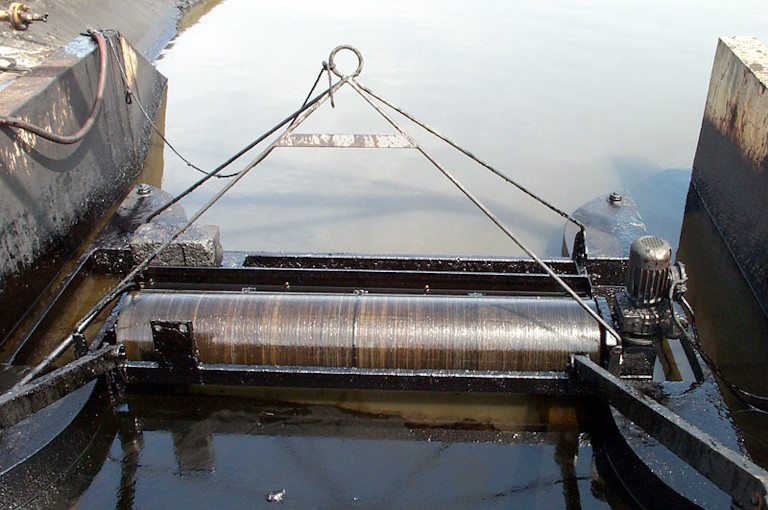
Solar extraction mechanism for oil recovery from marine pollution
General accident statistics 2024
According to international data, there were approximately ten major oil tanker accidents worldwide in 2024, six of which resulted in major spills (over 700 tons of oil). The other four incidents were moderate (between 700 and 700 tons of oil). A total of approximately 10,000 tons of oil were released into the sea. Although this number has decreased compared to previous decades, it still raises serious concerns about the safety of oil transport.
Serious tanker accidents in 2024
An oil tanker sank in Manila Bay.
In July 2024, the tanker Terranova, carrying over one million liters of industrial oil, sank during a storm. The oil spill caused widespread pollution in the bay and the death of marine life. Tragically, a crew member also died.
Incident in the Kerch Strait in Russia
Two Russian oil tankers were caught in a severe storm. One sank, the other ran aground. The incident resulted in over 4,000 tons of fuel spilling into the Black Sea, polluting a vast coastal area.
Attack on oil tanker in the Red Sea
In August 2024, the Greek oil tanker Sounion was attacked with missiles and drones. One of its fuel tanks caught fire, and its engines were damaged. Fortunately, the crew was rescued, but the incident poses a significant risk of oil pollution in the Red Sea and heightened safety concerns.
Tanker explosion in Nigeria
In October 2024, a tanker truck overturned on a Nigerian highway. Residents gathered to collect fuel. A massive explosion occurred, killing or injuring over 180 people. This incident highlighted the human and social risks associated with oil transportation.
Oil disaster in Singapore
In June 2024, two ships collided in the port of Singapore, spilling approximately 400 tons of low-sulfur crude oil. The pollution spread to the coast, disrupting local tourism and fishing.
Oil disaster in Peru
At the end of the year, an oil spill occurred during loading operations at an underwater terminal off the coast of Peru, damaging several beaches and plunging the region’s tourism industry into crisis.
The main cause of the accident
1. Weather and storms : Strong winds and waves are the cause of many accidents.
2. Human factors : Incorrect navigation and ship handling are the main causes of accidents.
3. Marine accidents : Collisions at sea always increase the risk of oil pollution.
4. Technical defects and corrosion of ships : Many oil tankers have a long service life and require extensive repairs or refitting.
5. Security and military actions : Cases of armed attacks and acts of sabotage have increased.
Consequences of the oil tanker accident
-
Environment : Death of aquatic life, damage to coral reefs, long-term pollution of beaches and threat to food sources.
-
Humans : Direct injuries to crew or personnel, respiratory problems and illnesses due to contact with oil.
-
Economy : Damage to tourism and fishing, high cleanup costs.
-
Social and political : the need to create local crises, to put pressure on governments and control systems.
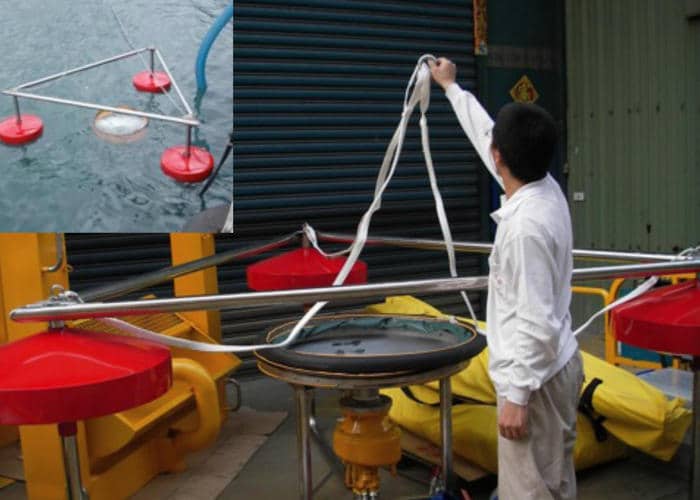
Portable Oil Skimmer Abanaki TOTE-IT®
Global Trends and Security
Thanks to stricter international regulations, improved shipping technologies, and increased environmental awareness, the number and severity of oil spills involving tankers have declined compared to previous decades. However, several incidents in 2024 demonstrate that serious safety gaps persist, requiring comprehensive reforms.
Solutions and lessons
-
Raising ship safety standards and demanding more thorough inspections.
-
Use modern technologies such as satellite monitoring systems and online sensors to detect leaks.
-
Expanding the scope of training of maritime personnel and their training in emergency response.
-
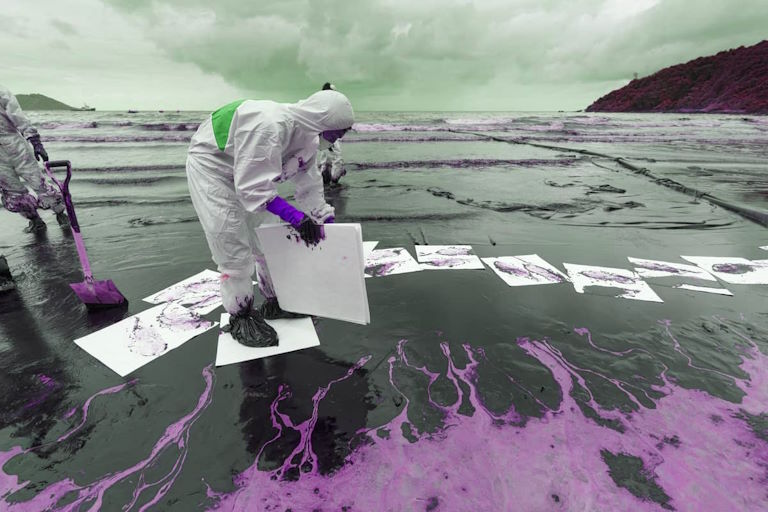
Develop and implement plans to quickly clean up high-risk areas.
-
Focus more on military and security issues to prevent attacks on oil tankers.
-
States should strengthen their cooperation within the framework of international maritime and environmental regulations.
Finally
Data for 2024 show that while the total number of oil tanker accidents has decreased compared to previous years , serious disasters still occur. Each incident can cause irreparable damage to people, the environment, and the economy. The risks in this critical industry can only be mitigated through stricter oversight, the use of advanced technology, and international cooperation.
According to Equasis, the 1,415-ton ship belongs to the Philippine company Shogun Ships.
Last year, the Philippine oil tanker Queen Princess sank with 800,000 liters of synthetic fuel on board, causing an oil spill.
The Philippine Coast Guard announced in an update the deployment of three multi-purpose salvage vessels (MRRVs) to enhance oil spill response efforts. These vessels will deploy dispersants to mitigate the impact of the spill, particularly in preparation for pump-out operations.
Oil extraction from the sunken tanker is expected to take seven days. The tanker sank to a depth of only 34 meters, so the operation does not require major technical preparations. Philippine authorities stated that the Bataan Peninsula and the waters of Manila Bay could be secured quickly.