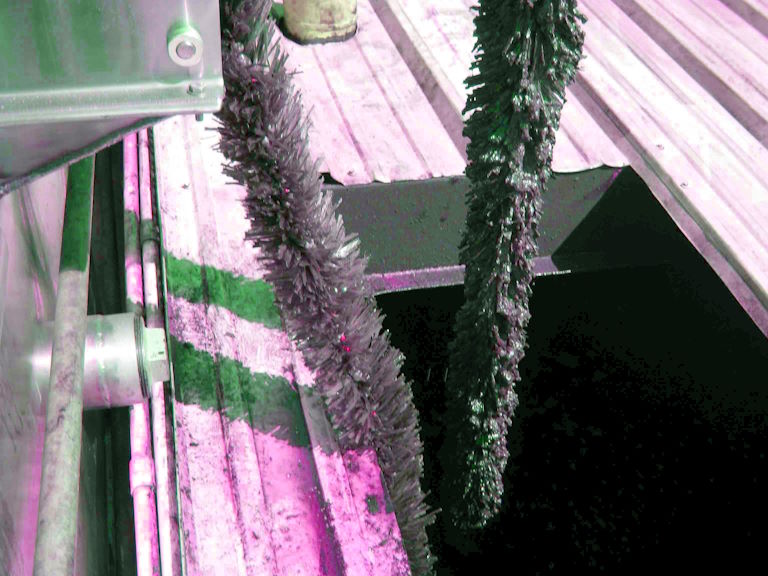
A rope oil separator uses a high-performance rope to extract oil instead of a conveyor belt. Because the rope has a lower density than water, it always floats on the surface. By slowly rotating the rope above the water’s surface, the oil is collected. As the rope returns to the center of the separator , scrapers direct the oil into a collection container
Other names for rope oil separators
- Rope mop with oil separator
- Oil suction pipe or hose
Introduction
Oil separators are devices used to separate oil and water, as well as other liquids. Due to their high efficiency and versatility, they are used in numerous industries. One special type of oil separator is the rope oil separator , which has garnered significant attention due to its unique design and superior oil separation performance. In this article, we will examine the performance, applications, and advantages of rope oil separators.
What is an oil separator?
Definition and Function
An oil separator is a mechanical device used to separate oil and water, as well as other liquids. It works by collecting and removing surface oils from liquid mixtures. Oil separators can be used in tanks, swimming pools, lakes, and other bodies of water
Types of Oil Separators
- Blade Oil Separator . This type of scraper uses a blade to separate the oil from the surface of the liquid
- Oil scraper with belt . This oil scraper uses a belt to collect the oil.
- Disc oil scraper . This oil scraper uses discs to collect the oil.
- Rope oil separator : This type of oil separator uses a rope to collect the oil.
What is a rope oil separator?
Definition and Function
A rope oil skimmer is an oil separator that uses a flexible rope to collect oil from the water’s surface. The device gathers the oil by moving the rope across the water’s surface and conveying it into a collection container. The unique design of this skimmer increases the efficiency and productivity of oil recovery.
Main Components
- Flexible Rope : This is the part that absorbs the oil from the water’s surface
- Drive : the part that enables the movement of the string.
- Pump : The part that pumps the collected oil into the collection tank.
- Collection container : The part in which the collected oil is stored.
- Filter : Bauteile, die zur Reinigung und Trennung von Schwebstoffen aus Öl verwendet werden.
Anwendung von Seilölabscheidern
Öl- und Gasindustrie
In der Öl- und Gasindustrie werden Seilölabscheider eingesetzt, um Öl von der Wasseroberfläche in Lagertanks , Öldepots und Raffinerien abzuscheiden. Diese Anlagen tragen zur Verbesserung der Wasserqualität und zur Reduzierung der Umweltverschmutzung bei.
Schifffahrtsindustrie
In der Schifffahrtsindustrie werden seilbestückte Ölabscheider eingesetzt, um Öl von der Oberfläche von Seen, Flüssen und anderen Gewässern zu entfernen. Dieses Gerät trägt dazu bei, die Ölverschmutzung zu reduzieren und die Meeresumwelt zu schützen.
Lebensmittelindustrie
In der Lebensmittelindustrie werden Ölabscheider eingesetzt, um bei der Lebensmittelproduktion entstehendes Öl aufzufangen. Diese Anlagen verbessern die Lebensmittelqualität und reduzieren die Reinigungs- und Wartungskosten.
Chemische Industrie
In der chemischen Industrie werden Kabelölabscheider eingesetzt, um Öl aus chemischen Produktionsprozessen und verschiedenen Lösungen zu sammeln. Diese Anlagen tragen zur Verbesserung der Prozesseffizienz und zur Senkung der Betriebskosten bei.
Wasser- und Abwasserbehandlung
Ölabscheider werden in der Wasser- und Abwasseraufbereitung eingesetzt, um Ölprodukte von der Wasser- und Abwasseroberfläche abzuscheiden. Dieses Gerät verbessert die Qualität des gereinigten Wassers und reduziert die Umweltbelastung.
Vorteile der Verwendung eines Seilölabscheiders
Hohe Effizienz
Der Seilölabscheider ist dank seiner einzigartigen Konstruktion und des flexiblen Seils hocheffizient bei der Ölgewinnung. Dieses Gerät ermöglicht die schnelle und effektive Ölgewinnung von der Wasseroberfläche.
Reduzierung der Umweltverschmutzung
Der Einsatz eines Seilölabscheiders trägt zur Reduzierung der Ölverschmutzung und zum Umweltschutz bei. Dieses Gerät sammelt und entfernt Oberflächenöl aus dem Wasser und verbessert so die Wasserqualität und schützt die Meereslebewesen.
Reduzierung der Betriebskosten
Ölabscheider mit Drahtseiltechnik tragen zur Senkung der Verarbeitungs- und Wartungskosten bei. Dieses Gerät sammelt Öl effektiv von der Wasseroberfläche und minimiert so den Bedarf an häufigen Reparaturen und Wartungsarbeiten.
Einfach zu warten und zu reparieren.
Der kabelgebundene Ölabscheider ist dank seiner einfachen Konstruktion und der geringen Anzahl beweglicher Teile leicht zu warten und zu reparieren. Dies senkt die Betriebskosten und verbessert die Effizienz.
Verbesserung der Produktqualität
Der Einsatz eines Ölabscheiders mit Kordel trägt zur Verbesserung der Produktqualität bei. Dieses Gerät sammelt und entfernt Oberflächenöle, die während des Produktionsprozesses entstehen, und verbessert so die Produktqualität und -konsistenz.
Important tips for the maintenance and operation of a rope oil separator
Regular Cleaning
Regular cleaning of a rope oil separator improves its performance and service life. This process includes cleaning the material components as well as removing deposits and dirt
Regular Inspection
Regular inspections of oil separators help to identify potential problems and defects. This includes checking the physical condition of the components and the functionality of the unit
Use suitable chemicals
Using suitable cleaning agents for your cable oil separator will help maintain its quality and efficiency. Avoid harsh chemicals, as these can damage the components of the unit
Proper Storage
Proper storage of cable oil separators extends their service life and reduces the risk of mechanical damage. These devices should be stored in a cool, dry place, protected from direct sunlight
Conclusion
Rope core oil separators are widely used in various industries, including oil and gas, shipbuilding, food, chemicals, and water and wastewater treatment, due to their superior performance characteristics, such as high efficiency, low environmental impact, low operating costs, easy maintenance and repair, and improved product quality. These devices increase the efficiency, quality, and safety of industrial processes and products. Proper maintenance and operation extend the service life of the device, optimize its performance , and prevent problems caused by improper oil separation. The correct selection and use of a rope core oil separator improves the quality and safety of industrial processes and products and prevents accidents and problems caused by oil contamination

What can be done in the event of an oil leak?
Spills can happen anywhere, and proper preparation is crucial to minimizing environmental damage and ensuring safe and effective cleanup. Here, we cover the three key elements of a spill response: monitoring, containment, and restoration. Understanding these steps will enable you to act quickly and effectively, limit damage, and ensure safety.
1. Leakage control: The first important step in fixing a leak is to seal it . Close valves, plug or seal openings to prevent further leakage.
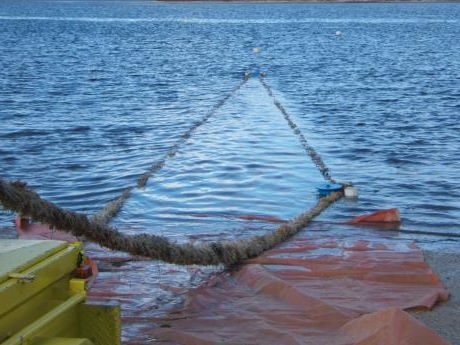
2. Containment of Pollution: Another important step in dealing with pollution is containment. Once the source is under control, the spread of the pollution must be prevented. This can be achieved by using containment devices, floor sweepers, or absorbent pads to create a barrier and prevent pollutants from entering waterways. The goal is to minimize pollution, reduce its environmental impact, and ensure safe cleanup.
3. Contamination Cleanup: Once a spill has been contained, it is essential to safely and properly remove all contaminants, including spilled food. Proper disposal of the collected waste is crucial.
A small leak can quickly develop into a serious environmental hazard if it is not properly and promptly contained.
Let’s illustrate this with an example:
A truck driver transporting hydrocarbons claimed that a small leak detection kit would be insufficient in the event of a major leak and refused to carry a full kit. Unfortunately, a valve failed during the journey, resulting in a hydrocarbon leak.
Without a leak detection kit, the driver would have had no way to immediately contain the spilled oil. The hydrocarbons would have spread further, potentially reaching nearby sewers and contaminating waterways. This situation could have been prevented with a leak detection kit. Even a 15-liter kit with absorbent pads and baffles would have allowed the driver to take immediate action to contain the spilled oil and prevent further damage while waiting for assistance. This would not only have protected the environment but also spared the driver and the company potential liability claims in the event of a much larger incident.
Remember: In an oil spill, every second counts. Providing the necessary resources to combat oil spills ensures rapid containment, minimized impact, and safe cleanup.