An oil spill is an environmental disaster in which toxic chemicals enter waterways and potentially cause widespread habitat destruction. It has significant economic impacts on sectors such as fishing, tourism, and recreation, and can have serious long-term consequences. Oil can seep to the seabed, damaging habitats and wildlife for years.
Throughout modern history, we have witnessed the devastating consequences of oil spills. Here are some of the most horrific incidents to date…
Deepwater Horizon oil spill, 2010:
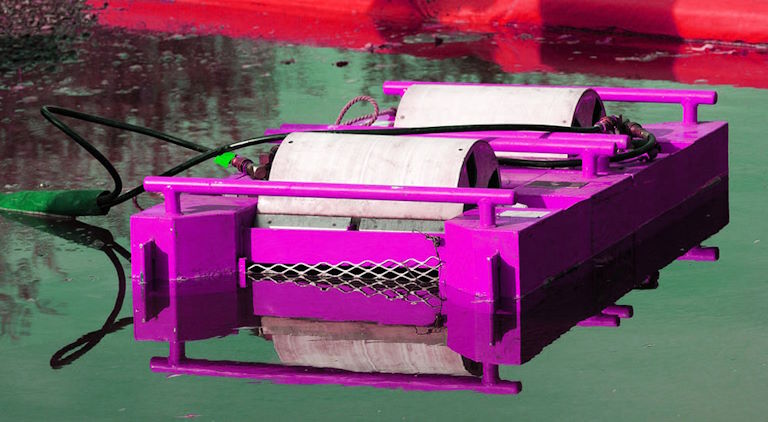
An explosion on an offshore drilling platform in the Gulf of Mexico led to the Deepwater Horizon oil spill. An estimated 4.9 million barrels of oil spilled into the sea, making it the largest oil spill in maritime history. SpillPro participated in the cleanup efforts and provided the necessary equipment.
The oil spill was cleaned up using various methods, including controlled burning, skimming, the use of dispersants, and on-site incineration. This required a massive, coordinated effort from government agencies, BP, numerous contractors, and volunteers. The assessment of the environmental and economic damage caused by the spill is still ongoing; however, the complex cleanup operation took several years and cost billions of dollars.
Exxon Valdez oil spill in 1989:
The Exxon Valdez oil spill in Prince William Sound, Alaska, resulted in the release of 11 million gallons of crude oil. Thousands of animals, including otters, seals, and birds, died in the disaster.
The cleanup began immediately, and it took several years to restore the affected areas.
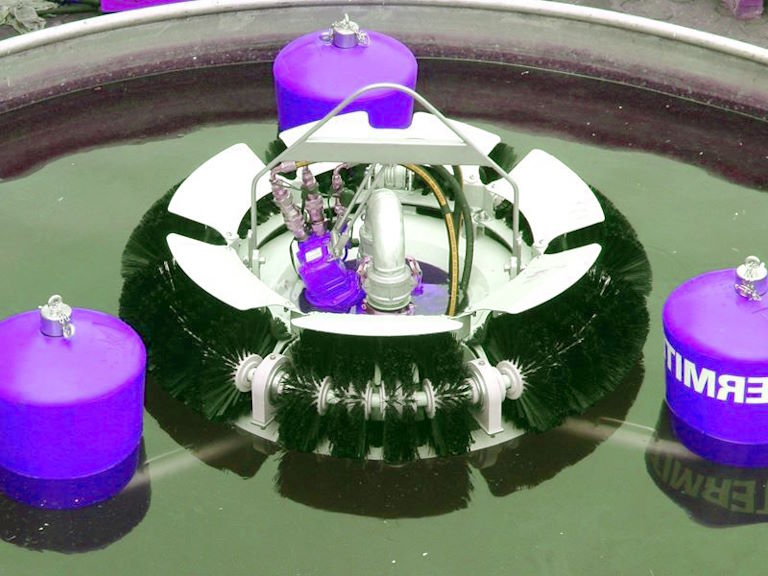
Initial measures included the deployment of oil booms to contain the oil slick, spreaders to absorb the oil from the surface, and dispersants to spread it. The cleanup efforts later shifted to manual oil removal using high-pressure hoses and other equipment to remove the oil from rocks, beaches, and other coastal areas. Thousands of helpers, including residents, fishermen, and volunteers, participated in the cleanup.
The extensive cleanup efforts lasted several years, and the US Coast Guard did not declare them complete until 1992. However, the environmental and economic impacts of the oil spill persisted for many years, and the total cost of the cleanup and restoration measures is estimated at more than $2 billion.

Amoco Cadiz oil spill, 1978:
The Amoco Cadiz oil spill devastated the coast of Brittany in France after the giant oil tanker sank. More than 68 million gallons of oil leaked out, damaging the coastline and causing significant environmental damage.
The cleanup work took several months, but the complete restoration of the affected areas took years.
The estimated costs for cleaning up the oil spill and compensating for the damage caused amounted to more than $250 million, making it one of the most expensive oil disasters in history.
Oil spill during the Gulf War in 1991:
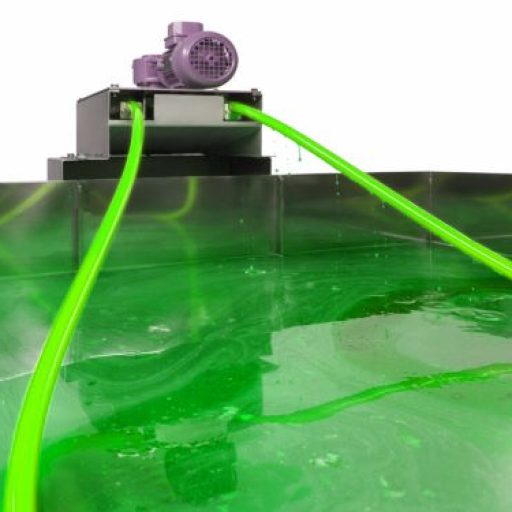
The oil spill during the Gulf War resulted from Iraqi forces deliberately releasing oil from Kuwaiti oil fields into the Persian Gulf. Estimates suggest that between 380 and 520 million gallons of oil leaked, causing significant environmental damage.
Prestige oil spill, 2002:
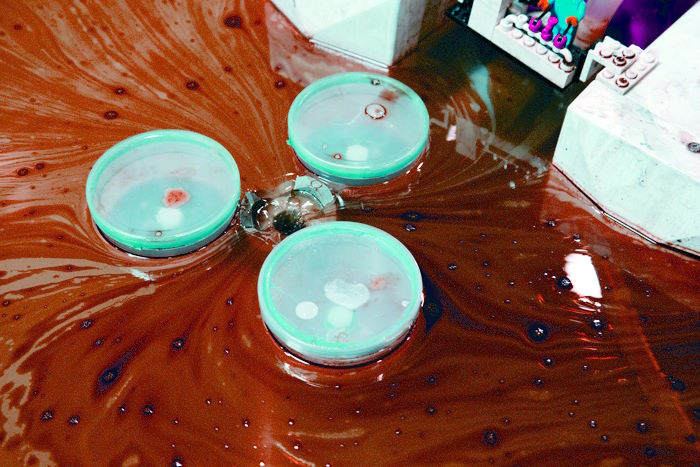
The Prestige oil spill off the coast of Spain released over 20 million gallons of oil into the sea, killing thousands of birds and marine animals and causing significant damage to the coastline.
This oil spill illustrates the devastating consequences of oil accidents for the environment and the population. Furthermore, combating oil spills is an extremely costly, complex, and labor-intensive process that can take years and cost millions of dollars. These examples underscore the crucial importance of preventative measures. Companies in the oil industry must therefore be prepared for an effective response to oil spills.
