Continental shelves, also known as continental platforms, are relatively shallow coastal marine areas that contain vast oil and gas reserves. Oil and gas extraction from these sources is of paramount importance due to their large reserves and comparatively easy accessibility compared to deep-sea exploration. However, oil spills from offshore drilling pose a serious environmental problem that can severely damage marine ecosystems and their inhabitants. This article examines the causes of continental shelf oil spills, their consequences, and potential solutions for mitigating the damage.
Causes of oil spills from boreholes on the continental shelf.
1. Technical equipment failure.
Technical failures of drilling and production equipment are the primary cause of oil spills from wells on the continental shelf. Defects in equipment such as pipes, valves, pumps, and tanks can lead to oil leaks. The use of outdated equipment and inadequate maintenance and repairs also increase the likelihood of such failures.
2. Human error
Human error is another cause of oil spills from wells on the continental shelf. Human mistakes such as failure to follow instructions, inadequate supervision, and operator error can lead to oil spills. Insufficient training and inexperience of personnel can also contribute to these errors.
3. Natural disasters
Natural disasters such as earthquakes, hurricanes, and floods can lead to oil leaks from boreholes on the continental shelf. These events can result in the destruction of drilling and production facilities as well as infrastructure, and increase the extent of oil pollution .
4. High blood pressure
High pressure in oil tanks can lead to oil leaks. This high pressure can damage pipelines and drilling rigs, causing oil to escape to the surface. Inadequate pressure regulation in oil tanks also increases the likelihood of this problem.
5. Acts of sabotage and terrorist attacks
Sabotage and terrorist attacks can also lead to oil spills from drilling sites on the continental shelf. Attacks on oil production facilities and infrastructure can also cause damage and oil spills.
Consequences of oil spills from boreholes on the continental shelf
1. Effects on marine animals
Oil spills from offshore drilling can have devastating consequences for marine life. Seabirds, marine mammals, and fish are among the most affected animals. Contact with oil can lead to clogged feathers and skin, impaired swimming and flying abilities , and even death.
2. Impacts on marine ecosystems
Oil spills can severely damage marine ecosystems. Oil forms a thin film on the water’s surface, preventing gas exchange and sunlight penetration . This can lead to a decrease in dissolved oxygen and harm marine plants and animals.
3. Economic consequences
Oil spills can have significant economic consequences. Fishing, tourism, and shipping are among the sectors affected. Declining fish stocks, fewer tourists, and the closure of shipping routes can lead to economic losses.
4. Health effects
Oil spills can harm human health. Contact with oil and its fumes can lead to respiratory, skin , and gastrointestinal problems. Furthermore, contaminated drinking water can cause serious health issues .
Solutions for combating oil spills from boreholes on the continental shelf.
1. Use of advanced technologies
The use of advanced technologies in oil production can help reduce the frequency of oil spills. Modern monitoring and control systems also help to detect and resolve technical malfunctions. Furthermore, the use of reliable , high-quality equipment reduces the likelihood of such malfunctions.
2. Training and advanced training
Continuous training and development of employee skills help to reduce human error. Appropriate training, sound knowledge, and up-to-date skills ensure the correct execution of instructions and minimize the likelihood of human error.
3. Regulate the pressure in the tank
Proper pressure regulation in an oil tank helps to minimize oil leaks. Furthermore, modern pressure control systems and continuous tank pressure monitoring help to prevent pressure spikes and equipment failures.
4. Dealing with natural disasters
Preparing for natural disasters and using earthquake-, storm-, and flood-resistant equipment helps reduce the risk of oil spills. Planning and implementing preventative disaster management measures also contributes to the safety of equipment and infrastructure.
5. Safety and security
Security measures help to reduce the risk of sabotage and terrorist attacks. The use of advanced security systems, continuous monitoring, and cooperation with law enforcement agencies ensure the security of equipment and infrastructure.
6. Rapid response to oil spills.
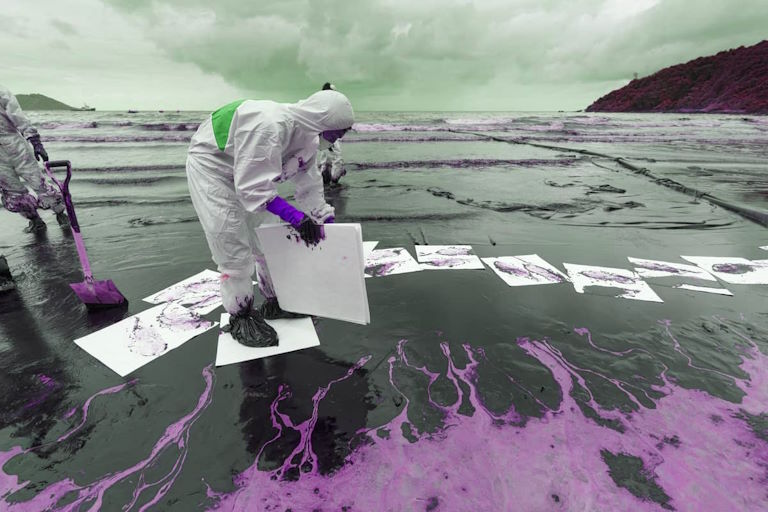
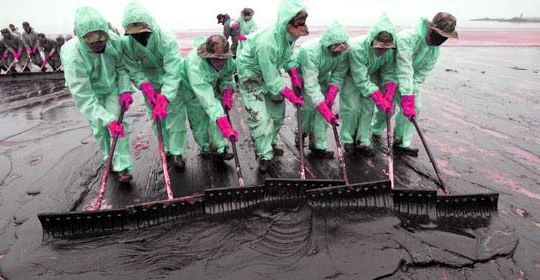
Rapid action in the event of oil spills and the use of absorbents and equipment can minimize the impact of the pollution. The use of oil booms, chemical solvents, and oil spill response equipment helps to reduce the extent of the oil spill.
Diploma
Oil spills at sea pose a serious environmental problem with devastating consequences for marine life, marine ecosystems, the economy, and public health. The causes of these spills are diverse and include equipment failure, human error, natural disasters, high pressure, and sabotage. Advanced technologies, continuous training and education, effective reservoir pressure management, disaster preparedness, safety measures , and rapid response times can mitigate these spills and their consequences. By implementing these measures, we contribute to environmental protection and reduce the environmental problems caused by oil spills.