Oil pollution is one of the world’s biggest environmental problems, with devastating effects on ecosystems and wildlife. Oil spills in the oceans and on land can lead to severe water, soil, and air pollution. One of the key questions in this field is the time it takes for oil to be absorbed and degrade in nature. In this article, we have examined the factors that influence the absorption time of oil pollution, its effects, and solutions for shortening this time.
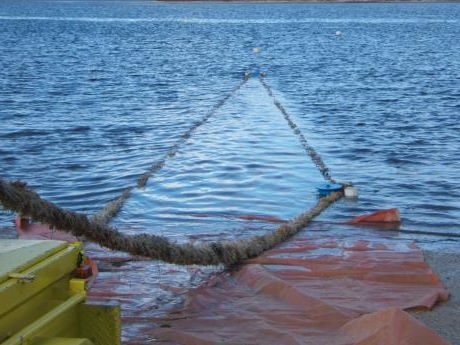
Factors that influence the duration of oil pollution absorption
1. Oil type
The type of oil plays a crucial role in the absorption time of an oil spill. Light crude oil breaks down more quickly due to its lower viscosity and simpler chemical composition. In contrast, heavy oil requires a longer time to degrade due to its high viscosity and more complex composition.
2. Environmental conditions
Environmental conditions also have a significant impact on the duration of oil spill absorption. Factors such as temperature, humidity, sunlight, and water flow can accelerate or slow down the oil decomposition process. High temperatures and sufficient sunlight accelerate the decomposition process.
3. Presence of microorganisms
Microorganisms play a crucial role in the degradation of oil spills. Bacteria, fungi, and algae can break down petroleum compounds into simpler substances. The presence of these microorganisms can shorten the duration of oil spill absorption.
4. Soil and rock type
The type of soil and rock in contaminated areas can also influence how long oil spills take to absorb. Soils with fine particles and a compact texture can prevent oil from moving and allow it to degrade more quickly. Conversely, soils with coarser particles and a more open texture can help oil degrade faster.
5. Weather conditions
Weather conditions can also have a significant impact on the duration of oil spill absorption. Precipitation and runoff can wash oil from contaminated areas into groundwater and surface water, which can impair the degradation process.
The effects of oil pollution on nature
1. Impact on wildlife
Oil pollution has devastating effects on wildlife. Seabirds, marine mammals, and fish are among the creatures most severely affected. Contact with oil can cause their feathers and skin to become clogged, impairing their ability to swim and fly, and even leading to their death.
2. Effects on plants
Plants are also damaged by oil pollution. Oil can prevent roots from absorbing water and nutrients, slowing or stopping plant growth. Furthermore, oil pollution can seep into the soil and groundwater, contaminating freshwater sources.
3. Impacts on aquatic ecosystems
Aquatic ecosystems, especially seas and oceans, are also affected by oil pollution. Oil can form a thin layer on the water’s surface, preventing the exchange of gases and sunlight with the water, which can lead to a reduction in dissolved oxygen and damage to marine plants and animals.
4. Economic impact
Oil spills can have significant economic consequences. Industries affected by oil spills include fishing, tourism, and maritime transport. A decline in fish stocks, a drop in tourist numbers, and the closure of sea lanes can lead to economic losses.
Solutions for reducing the absorption time of oil spills
1. Use of biodegradable materials
The use of biodegradable materials such as microorganisms and enzymes can help accelerate the breakdown of oil spills. These substances can break down petroleum compounds into simpler substances and shorten their absorption time.
2. Use of absorbent materials
Absorbent materials such as zeolites, activated carbon, and absorbent polymers can absorb oil and remove it from the contaminated environment. These materials can help reduce the absorption time of oil spills.
3. Use of physical and chemical techniques
The use of physical and chemical techniques such as mechanical separation, flotation, evaporation, and chemical oxidation can help accelerate the absorption process of oil spills. These techniques can separate the oil from the contaminated environment and speed up its decomposition.
4. Raising awareness and understanding
Raising public awareness and educating individuals and industries about the effects of oil pollution, as well as prevention and reduction methods, can help shorten the absorption time of oil spills. Training oil industry workers and fishermen in oil spill response methods and the use of absorbent and biodegradable materials can have a positive impact.
5. Drafting of regulations and laws
The introduction of stricter regulations and laws to combat and prevent oil spills can help reduce oil pollution. These regulations can include the use of advanced technologies to prevent oil spills, the use of absorbent and biodegradable materials, and the imposition of heavy fines for violations.
Diploma
Oil pollution is one of the most serious environmental problems, with potentially devastating effects on wildlife, plants, aquatic ecosystems, and the economy . The duration of oil spill absorption depends on several factors, including the type of oil, environmental conditions, the presence of microorganisms, the type of soil and rock, and weather conditions. The use of biodegradable materials, absorbent materials, physical and chemical techniques, awareness and education, and the creation of appropriate regulations and laws can all help to shorten the absorption period and reduce the environmental impact of oil spills. The conservation and proper management of natural resources and ecosystems is essential for preserving biodiversity and improving people’s quality of life.