Physical pollution is one of the most widespread and visible types of environmental pollution, directly impacting human and animal health as well as ecosystem health. This type of pollution typically consists of particulate matter or suspended particles in the air, water, or soil and disrupts natural cycles. With population growth, industrial development, and the overexploitation of natural resources, physical pollution has become a serious threat to the environment and people’s quality of life.
Definition of material contamination
Physical pollution is the release of foreign substances and particles into the environment that can alter its physical properties and harm living organisms. Such substances typically include solid waste, suspended matter, dust, plastic, sand, sediment, and other non-chemical compounds . Unlike chemical or biological pollution, physical pollution has greater mechanical and visual impacts, but can also indirectly cause serious environmental problems.
Sources of material contamination
The sources of physical pollution are diverse and can be divided into two main categories: natural pollution and anthropogenic pollution:
-
Natural resources:
-
Windblown dust and sand: Wind and storms can carry dust and sand into the air, leading to poor air quality.
-
River and coastal sediments: Soil erosion and water currents can cause sediments to enter waterways, damaging marine ecosystems.
-
-
Human Resources:
-
Household waste: Improper disposal of household and municipal waste is one of the most important sources of physical environmental pollution.
-
Industrial and construction waste : Construction materials , metals and industrial waste can pollute soil and water .
-
Plastics and microplastics: The release of plastics into the environment, particularly into surface and marine waters, has caused serious problems.
-
Transport and construction activities: Dust from road construction , mining and the construction industry can increase the amount of particulate matter in the air.
-
Types of physical pollution
Physical pollutants can be divided into several categories depending on location and particle type:
-
Air pollution (particulate matter):
Particulate matter in the air includes dust, dirt, smoke, ash, and industrial particles. These particles impair air quality, make breathing difficult for humans and animals, and impair visibility. Particles with a diameter of less than 10 micrometers (PM10) and 2.5 micrometers (PM2.5) easily penetrate the lungs and pose a serious health risk. -
Water pollution (suspended particles):
Sediment, plastic, and solid waste can contaminate surface and groundwater. This pollution reduces the light and oxygen levels in the water and endangers aquatic organisms. In the ocean, plastic particles can enter the food chain as microplastics and have long-term impacts on ecosystems. -
Soil and land pollution:
Solid waste, construction materials, and metals generated by human activities can pollute the soil. This pollution can reduce soil fertility, clog surface waters, and promote weed growth. Furthermore, plastic waste in the soil does not decompose over time, leading to long-term environmental problems. -
Noise and heat pollution:
Although not traditionally considered a physical stress, it has mechanical and physical effects. Excessive noise and heat generated by industrial and transportation facilities can disturb living organisms and cause changes in their behavior and movement.
Consequences of material contamination
Material pollution has many consequences, the most important of which are:
-
Impact on human health: Inhalation of particles and contact with garbage and plastic can lead to respiratory diseases, allergies, and skin problems.
-
Damage to the ecosystem: Particles suspended in water and soil cause oxygen deficiency , animal poisoning and changes in natural cycles.
-
Impact on marine life: Plastic and solid waste, especially in the ocean, can cause suffocation, block feeding routes, and kill fish and seabirds.
-
Visual pollution: The accumulation of solid waste and plastic affects the landscape and reduces the tourist value of the area.
-
Economic impacts: High costs for waste collection and disposal, treatment of environmentally-related diseases, and reduced productivity of natural resources place a heavy economic burden on society.
Methods for controlling and reducing material contamination
Controlling physical pollution requires measures to prevent, manage and clean the environment:
-
Waste collection and disposal: Use appropriate waste collection systems, separate recyclable materials, and dispose of waste properly.
-
Cleaning polluted environments: cleaning beaches, rivers, and urban areas of garbage and plastic.
-
Reduce the number of airborne particles by using filters, covering areas with soil, and reducing dust-generating activities.
-
Public education and awareness: Creating a culture of reducing plastic consumption, proper waste disposal, and environmental protection.
-
Development of clean technologies: Use of recyclable materials, low-dust technologies and clean energy to reduce the physical impacts of industrial activities.
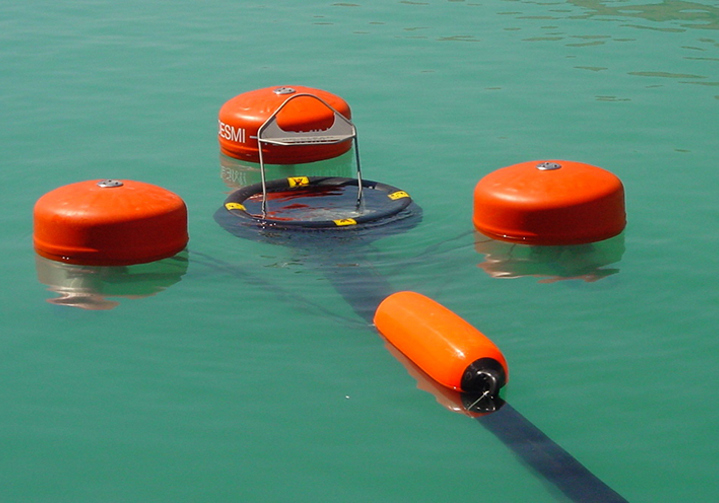
Use of oil separators in oil spill response
Finally
Although physical pollution is often visible and tangible, it can have serious long-term impacts on the environment and human health. Understanding the sources, types, and consequences of this pollution, as well as appropriate measures for its control and prevention, are crucial for protecting ecosystems and improving the quality of life . Environmental protection requires the joint efforts of society, government, and industry to reduce waste generation, effectively manage resources, and raise public awareness.
Given population growth and industrial development, reducing pollution and creating a healthy environment is crucial. Even small measures to manage waste and reduce particulate matter emissions can have a significant impact on the environment.